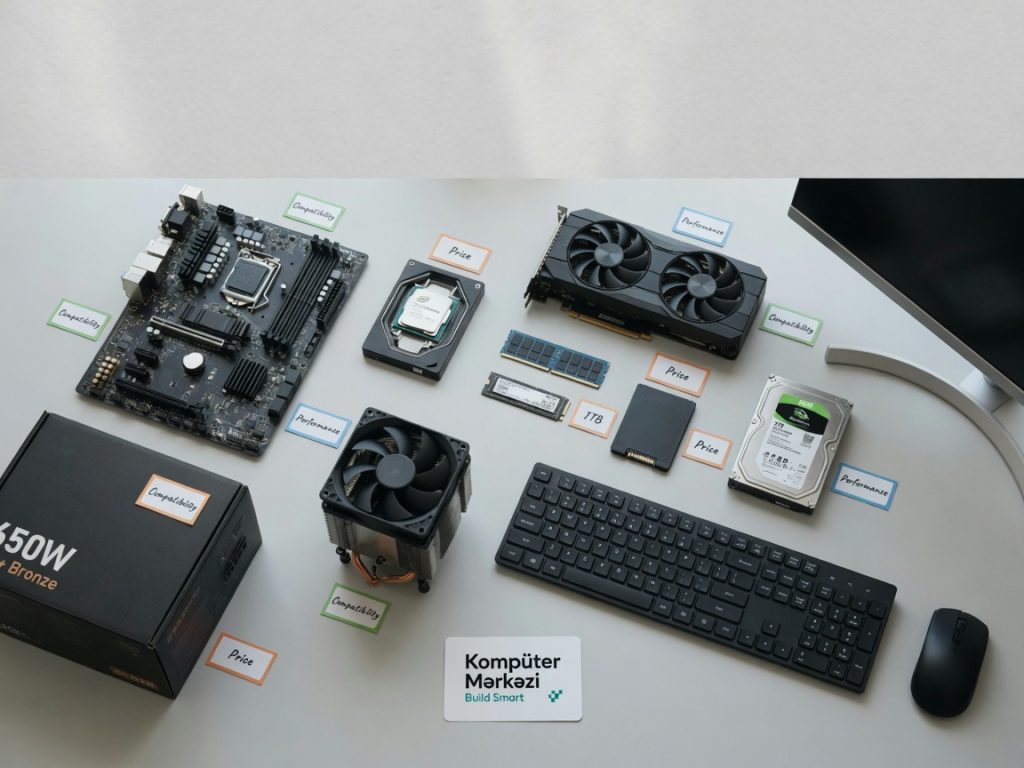
Komponentlər və periferiyalar: uyğunluq, performans və qiymət
Hardware refers to the physical components of a computer system that you can touch and see. These components are material and include the central processing unit (CPU), memory modules (RAM), storage devices (hard drives and solid state drives), and input devices such as keyboards and mice.
Introduction
Understanding the basic nature of hardware is a first step when building, upgrading, or repairing a computer. The tangible parts listed above make up the foundation of any computing device and determine how it behaves in everyday use. Recognizing what hardware is and what each category represents helps to frame later decisions about suitability, performance and cost.
Compatibility
Compatibility is about ensuring that the physical components and peripherals can work together inside a system. When assembling or servicing a computer, attention to how parts connect and interact is essential so that the system functions as intended.
Peripherals such as keyboards and mice are part of the hardware landscape and must be matched to the available interfaces and user needs. Storage devices and memory modules are also hardware elements that need to be considered alongside the rest of the system to avoid basic mismatches and to ensure reliable operation.
Practical compatibility checks include confirming that components fit within the intended system and that they meet the general requirements of the setup. Thoughtful consideration of the physical and functional aspects of hardware reduces surprises during installation or service.
Performance
Performance in a computer system is driven by the roles of its hardware components. The central processor handles computation and command execution, memory modules provide temporary data storage for active tasks, and storage drives retain files and applications over the long term.
Each category contributes differently to the overall experience: the processor shapes processing capability, memory affects how many tasks can be active smoothly, and storage determines how quickly data can be accessed and retained. Input devices influence how effectively a user can interact with the system, which indirectly affects perceived performance in everyday tasks.
Considering performance means evaluating what the system will be used for and aligning component choices with those uses. Simple, general alignment between intended tasks and the core hardware categories—processor, memory, storage, and input devices—helps ensure a balanced outcome.
Price
Price is a practical constraint when selecting hardware components or peripherals. The material nature of these items—processors, memory modules, storage drives, and input devices—means that their cost is tied to physical production and market factors.
When managing a budget, prioritizing which components will have the greatest impact on the intended use of the system is a common approach. For many users, balancing expenditure across processor capability, memory capacity, and storage type can help achieve satisfactory results without overspending on any single category.
Peripherals should be chosen with attention to both function and value, since familiar input devices can influence comfort and productivity without necessarily requiring the highest price points.
Conclusion
Hardware encompasses the tangible parts of a computer system, including CPU, RAM, storage devices and input peripherals. Focusing on compatibility ensures that components work together, while thinking about performance clarifies which parts matter most for a given task.
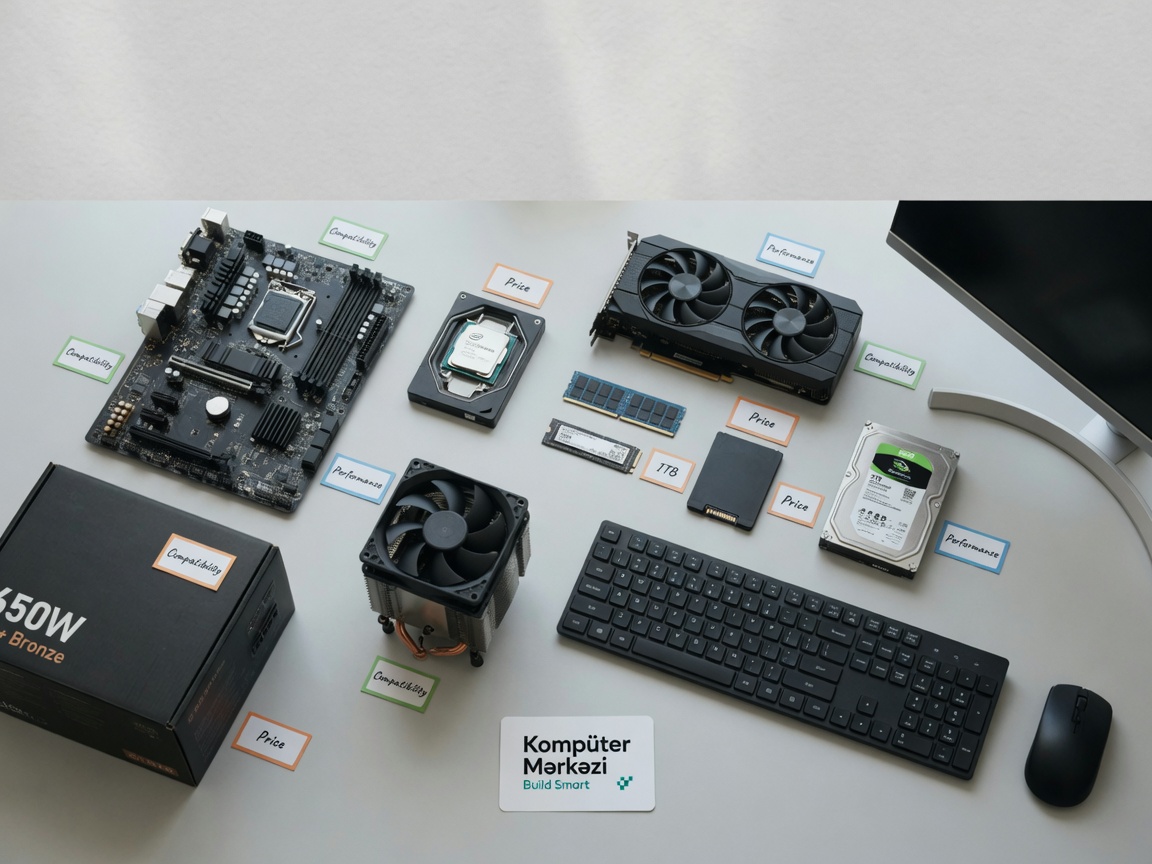
Price considerations guide how those choices are balanced in practice. By keeping the basic categories of hardware in mind and aligning them to user needs, it becomes easier to plan, service, or upgrade a system in a straightforward and informed way.