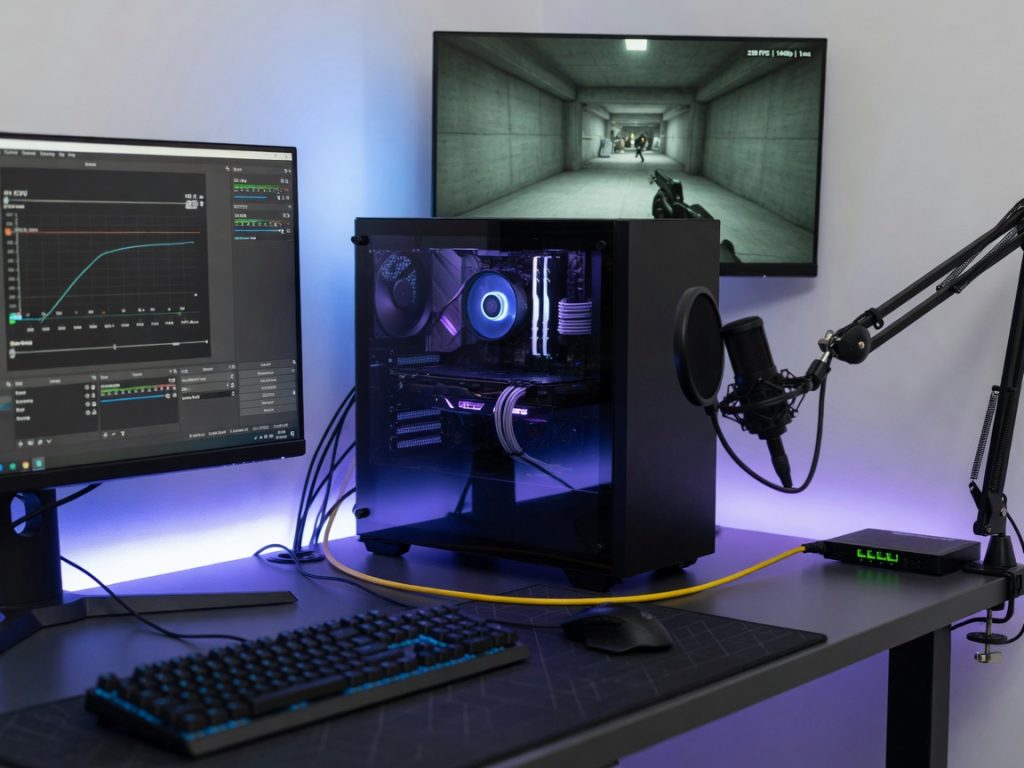
Kibersport üçün PC və canlı yayım üçün optimallaşdırma
This article outlines practical approaches to set up and optimize a PC for esports and live streaming. The goal is to describe balanced decisions for hardware and software so gameplay remains responsive while a stream stays stable.
The reference page structure used as a factual basis shows typical e commerce filters like price range and component categories. It lists interface elements for price range with sample values 1249 and 24999, as well as selectors for CPU, RAM and Video Card. That context is useful when choosing parts or comparing prebuilt systems.
Hardware balance for esports and streaming
For competitive play and simultaneous streaming, balance between processor, graphics and system memory matters. Aim for a configuration where neither the game nor the encoding process starves the other of resources.
Consider a dedicated graphics solution and solid system memory so the game can use GPU acceleration while encoding tasks are handled by the CPU or a dedicated encoder. Storage performance and cooling also influence sustained performance during long sessions.
When exploring listings, use available filters such as those for CPU, RAM and Video Card to compare options. The sample interface with a price range can help narrow choices by budget before focusing on specific components.
System and software tuning
Operating system and driver maintenance is a straightforward way to improve stability. Keep graphics and chipset drivers current and manage background processes that compete for CPU and disk activity.
Adjust power and performance settings so the system avoids aggressive throttling during matches or streams. Use profiles that prioritize sustained performance rather than short bursts.
Configure the streaming software to match the capabilities of the machine without overloading it. If both game and stream run on the same PC, prefer settings that allocate resources predictably and monitor performance indicators during practice sessions.
Network and capture considerations
Network stability is essential for live broadcasting. A reliable wired connection generally offers lower variability than wireless links, which helps maintain consistent upload behavior for a stream.
If using a dual PC setup, a capture device can offload encoding from the gaming machine. For single PC setups, optimize encoding settings and reduce nonessential network usage to keep bandwidth available for the broadcast.
Reviewing component filters and price ranges on a product page can assist in planning whether to invest in a capture card or prioritize a stronger single system that can handle both tasks.
Peripherals and ergonomics
Responsive input devices and a comfortable setup are part of competitive performance. Choose peripherals and display options that support low latency and comfortable viewing during long sessions.
Consider how peripheral choices interact with system performance and whether additional features require drivers or software that might introduce background processes. Simplicity can reduce unexpected interruptions during events.
Maintenance and monitoring
Regular maintenance keeps a system reliable. Monitor temperatures, storage health and system logs to detect issues before they affect a match or stream.
Run controlled tests after changes to hardware or software. Observing system behavior under load clarifies whether adjustments are needed to maintain both game responsiveness and stream stability.
Conclusion
Optimizing a PC for esports and live streaming revolves around balanced hardware, considered software tuning, stable networking and ongoing maintenance. Use component filters and price ranges on product pages to structure decision making, then validate choices through testing and monitoring.
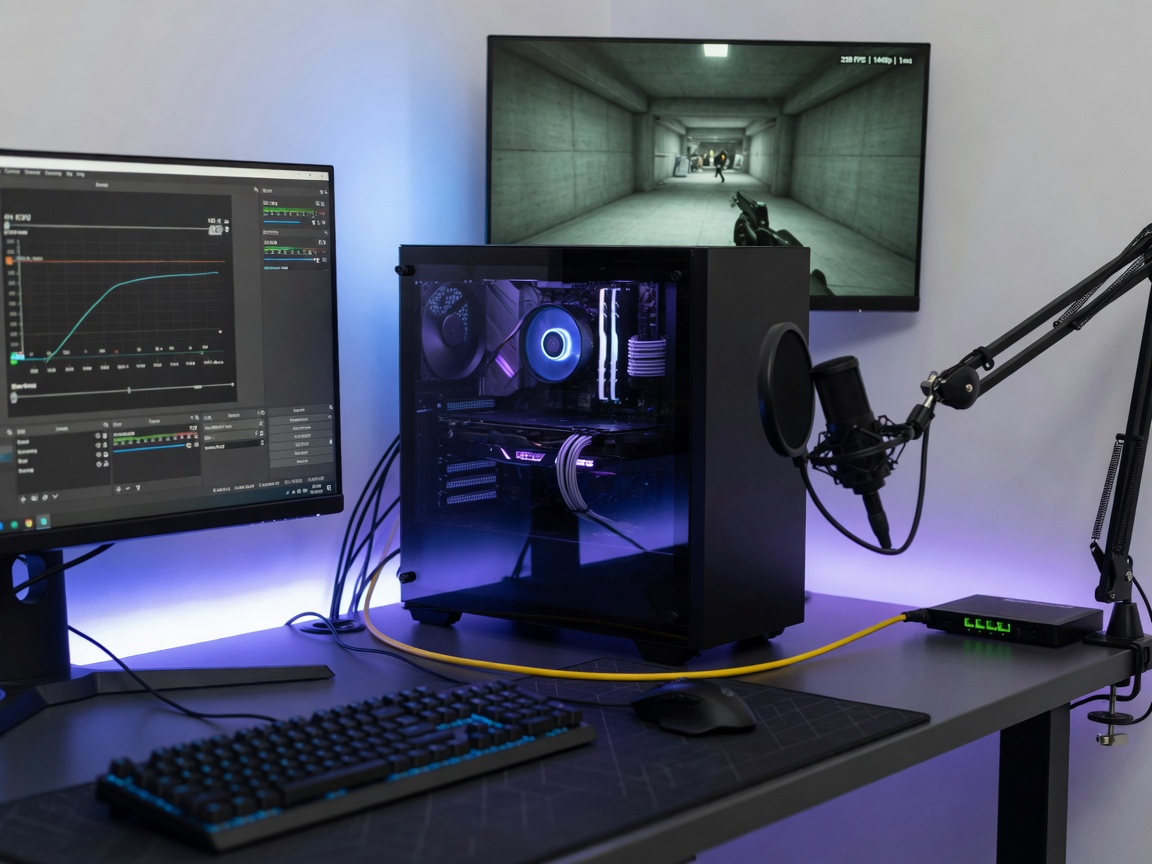
With steady attention to balance and reliability, a setup can support competitive play and consistent live broadcasts without unnecessary complexity.